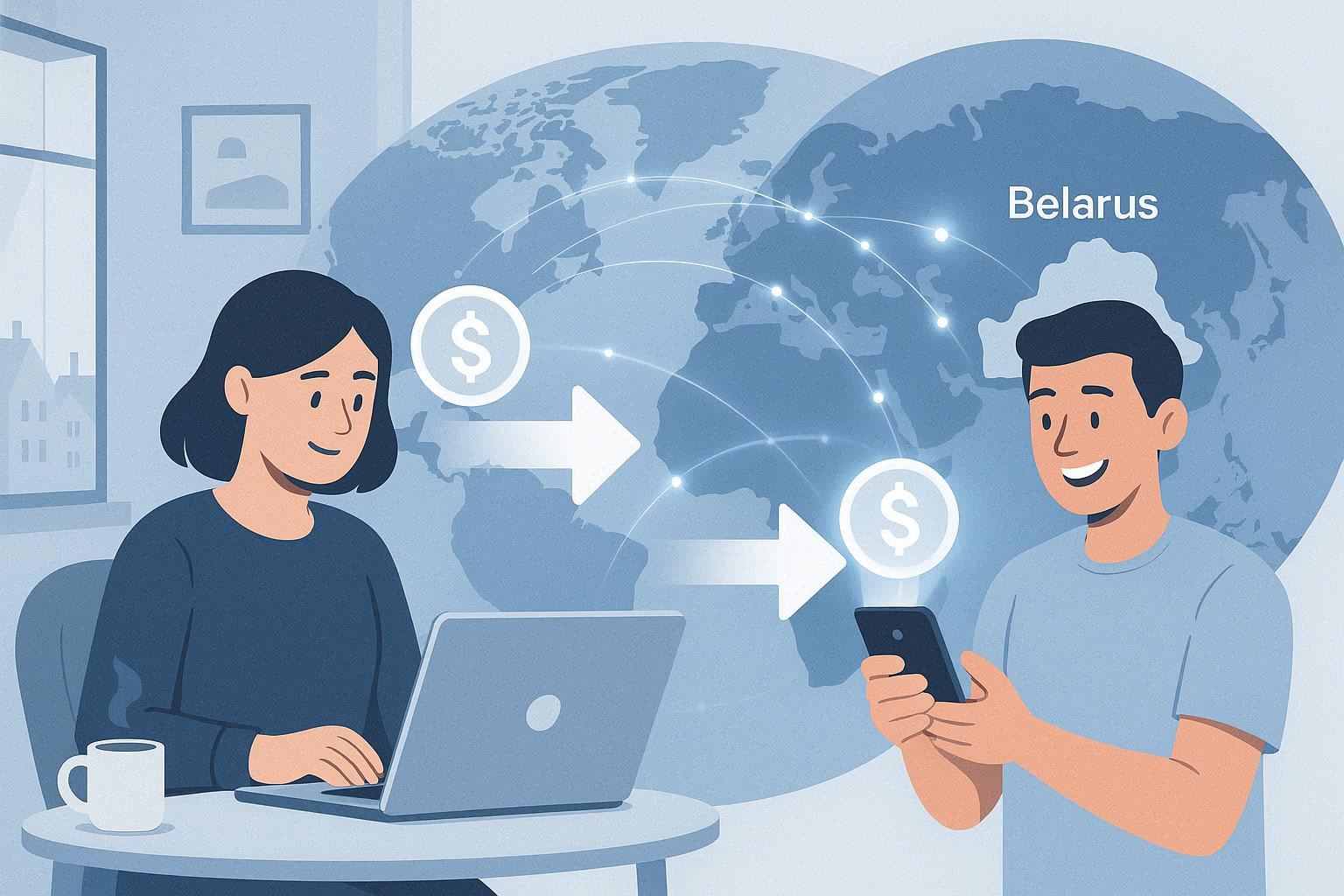
In a world where international connections are stronger than ever, financial transfers have become a vital part of global interaction. Families separated by borders, freelancers working with foreign clients, and businesses collaborating across continents all depend on fast, reliable, and affordable ways to move money. For many in Europe and beyond, one recurring question is how to send money to Belarus efficiently and safely.
The Changing Landscape of Money Transfers
Over the last decade, the process of transferring funds internationally has undergone a quiet revolution. Traditional bank transfers, once the default method, are gradually being replaced by digital and fintech solutions that offer lower fees and faster delivery times. Belarus, with its growing economic connections to both the European Union and neighboring countries, has benefited from this shift.
While banking infrastructure in Belarus is solid, it still faces limitations when it comes to cross-border payments. Some European banks have limited partnerships with Belarusian institutions, and currency regulations can create extra paperwork for both senders and recipients. These factors make it especially important to understand which channels are most practical in 2025.
Popular Options for Sending Money to Belarus
- Bank Transfers – The most traditional route, offering security and traceability. However, processing times can stretch from two to five working days, and intermediary bank fees may reduce the final amount received.
- Online Money Transfer Services – Digital platforms now make it possible to complete a transaction in minutes using a smartphone or computer. They typically display exchange rates and fees upfront, making comparisons easier for users.
- Money Transfer Operators (MTOs) – Companies with physical agent networks, such as post offices or retail partners, remain important for recipients without online banking. Cash pickup options are particularly valued in rural regions.
- Cryptocurrency Transfers – A niche but growing option. While crypto can bypass certain banking restrictions, regulatory oversight in Belarus remains tight, and converting digital assets into local currency can be challenging.
For many users, online services strike the right balance between cost, speed, and convenience. One can, for instance, send money to Belarus from various European countries using licensed platforms that comply with EU and Belarusian financial regulations.
Factors to Consider Before Sending
Before making an international transfer, several factors deserve attention:
- Exchange Rate: Even small differences in rates can have a noticeable impact on the final sum received.
- Transfer Fees: Some providers charge a flat fee, others a percentage-based one, and a few offer zero-fee transfers with slightly adjusted rates.
- Delivery Speed: Instant transfers are ideal for emergencies, but standard options may suffice for routine remittances.
- Receiving Options: Depending on the recipient’s preference, funds can be sent directly to a bank account or collected in cash from a nearby service point.
- Regulatory Compliance: Belarus has specific rules regarding the inflow of foreign currency, and all legitimate providers adhere to these to prevent fraud and money laundering.
The Human Side of Remittances
Behind every transaction lies a story. Many Belarusians working abroad send a portion of their income home each month to support families, pay for education, or help with daily expenses. These remittances, while modest individually, play a significant role in sustaining household economies and contributing to the country’s financial stability.
Looking Ahead
As the global financial system continues to digitize, cross-border transfers will become faster, cheaper, and more transparent. Innovations in payment infrastructure, combined with evolving regulations, are expected to further simplify the experience for both senders and recipients.
For anyone planning to send funds to Belarus, understanding the available options — and the trade-offs between them — remains the best way to ensure that every transfer is safe, efficient, and aligned with personal needs.